
Queer Liberation: From Stonewall to Today’s On-going Fight for Equality
Queer history isn’t just a series of events—it’s a living, breathing story of resistance, love, and unshakable defiance. It’s about people who refused to hide, who fought back when the world told them they shouldn’t exist, and who, generation after generation, pushed society toward justice. While we may think about the fight for our rights as something of the past, understanding our history allows us to be more thoughful participants in the struggle today.
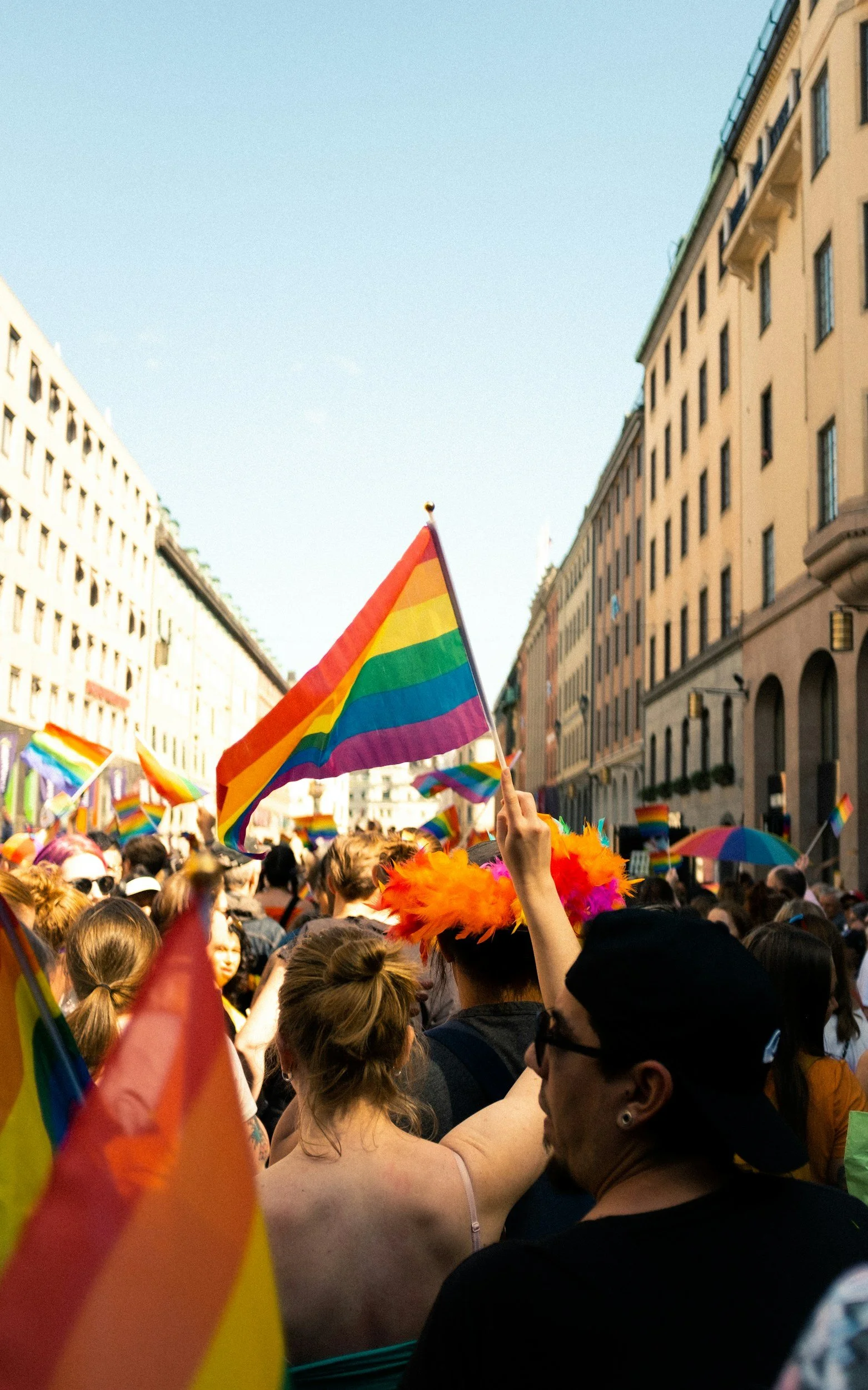
Pride isn’t just a party, it’s a call to remember where we’ve been, celebrate how far we’ve come, and recognize the battles still being fought. Because queer liberation didn’t end with Stonewall or marriage equality—it’s evolving, growing louder, and demanding more than just tolerance. It’s demanding full, unapologetic freedom.
The Spark That Lit the Fire: Stonewall and Beyond
Most of us know the story by now—or at least a simplified version of it. In the early hours of June 28, 1969, police raided the Stonewall Inn, a hole-in-the-wall gay bar in New York City’s Greenwich Village. Raids like this happened all the time—queer spaces were illegal, cross-dressing was criminalized, and cops routinely harassed, arrested, and humiliated LGBTQ+ people just for existing.
But that night, something snapped.
Fed up with being pushed around, the patrons—many of them drag queens, trans women, sex workers, and homeless queer youth—fought back. Some of the notable figures include Marsha P. Johnson, a Black trans woman and activist, along with Sylvia Rivera, a Latina trans activist who’d been surviving on the streets since she was 11, and Stormé DeLarverie, a butch lesbian and biracial entertainer, who allegedly threw the first punch.
For six subsequent nights, riots erupted. People hurled bricks, bottles, and coins at the police. They chanted, “Gay power!” and “We’re not going anywhere!” And just like that, the modern queer liberation movement was cemented.
But Stonewall wasn’t the beginning (though that’ll have to be a story for an other day), and it certainly wasn’t the end.

The ’70s and ’80s: Radical Dreams and Harsh Backlash
After Stonewall, queer activism exploded. Groups like the Gay Liberation Front (GLF) didn’t just want acceptance—they wanted revolution. They linked arms with Black Panthers, feminists, and anti-war activists, believing that queer freedom couldn’t happen without racial and economic justice.
Then came the ’80s, and with it, the AIDS crisis.
The government maliciously ignored the epidemic because it was killing gay men, drug users, and sex workers—people society had already decided were disposable. Friends and lovers died in staggering numbers, hospitals turned away dying patients, and President Reagan didn’t even say the word “AIDS” publicly until 1985, four years into the crisis.
But queer people refused to die quietly.
Activists like Larry Kramer founded ACT UP (AIDS Coalition to Unleash Power), storming the NIH, occupying pharmaceutical companies, and staging die-ins on the steps of government buildings. Their slogan? “Silence = Death.” They forced the world to pay attention, and they saved countless lives by demanding faster drug approvals and better healthcare.
Meanwhile, groups like the Lesbian Avengers and Queer Nation brought a new kind of in-your-face activism, staging kiss-ins, plastering cities with bold posters, and shouting, “We’re here! We’re queer! Get used to it!”
The ’90s and 2000s: Visibility Wins and New Struggles
As the AIDS crisis waned (though never truly ended), queer life began creeping into mainstream culture. Ellen DeGeneres came out on national TV in 1997—a huge moment, even though her show was canceled soon after. Will & Grace brought gay characters into living rooms. Movies like Brokeback Mountain and Paris Is Burning gave glimpses into queer love and ballroom culture.
But progress was uneven.
In 1998, Matthew Shepard, a gay college student, was brutally murdered in Wyoming—a horrific reminder of how dangerous it still was to be queer in America. Though many such instances of violence were routinely happening without garnering much attention. The backlash against LGBTQ+ rights grew fiercer, with politicians pushing “Defense of Marriage” laws and banning same-sex unions.
Yet, against all odds, the movement kept winning.
In 2003, the Supreme Court struck down sodomy laws in Lawrence v. Texas. In 2010, “Don’t Ask, Don’t Tell” was repealed, allowing queer people to serve openly in the military. And in 2015, the Obergefell decision legalized same-sex marriage nationwide—a victory many never thought they’d live to see.
But even as rainbow flags flew over government buildings, a new fight was brewing.
The Modern Movement: Trans Rights, Backlash, and Global Solidarity
Marriage equality was a milestone, but it wasn’t the finish line. Because while some queer people were gaining legal rights, others—especially trans women of color—were still dying at alarming rates.
The 2010s and 2020s saw a surge in trans visibility, with figures like Laverne Cox, Janet Mock, and Elliot Page breaking barriers. But with visibility once again came backlash. Politicians began pushing anti-trans bathroom bills, sports bans, and bans on gender-affirming care for minors (and even adults). The extent of these attacks continue to grow more vicious and absurd, with trans women being barred from competing with other women at chess. Policies designed solely to make public life difficult and dangerous for trans people have gained mainstream support often due to a lack of comprehensive education about queer issues.
During this same period, the Black Lives Matter movement forced a reckoning within queer activism. Pride events began centering Black trans lives, honoring those like Tony McDade, Nina Pop, and Dominique “Rem’mie” Fells—people whose murders often went ignored by mainstream media.
It’s also important to note that not all attacks on the queer community are coming from cishet people. In-fighting within the community has grown increasingly hostile, with some transphobic groups coining slogans like “LGB without the T” to marginalize trans people and exclude them from cis-only gay spaces.
And the fight isn’t just in the U.S.
In Uganda, being queer can mean life in prison—or worse. In Russia, “gay propaganda” laws silence LGBTQ+ voices. In Poland, “LGBT-free zones” declared entire towns hostile to queer people. But activists in these countries are still organizing, protesting, and risking everything for freedom.
It’s not all gloom, while certain countries still remain hostile, others join the growing list that legalized same-sex marriage and extend protection to trans people. In January 2025, Thailand noteably became the first country in Southeast Asia to legalize same-sex marriage, setting a precedent in the region for others to follow.
Where Do We Go From Here?
Queer liberation has never been a straight path (no pun intended). It’s messy, it’s complicated, and it’s far from over.
Today’s movement is fighting for:
Trans healthcare access in the face of cruel bans.
Protections for queer youth as schools ban books and discussions on LGBTQ+ topics.
Global solidarity, because no one is free until we all are.
Pride isn’t just a party—it’s a protest. It’s a reminder that every right we have was fought for, every bit of visibility was earned through struggle, and the work isn’t done.
So when you see a rainbow flag this June, remember: Stonewall was a riot. AIDS activists shut down Wall Street. And the fight isn’t over yet.
The next chapter of queer history is being written right now—by all of us.
🏳️🌈 Happy Pride. Keep fighting.